


Case Study


Case Study
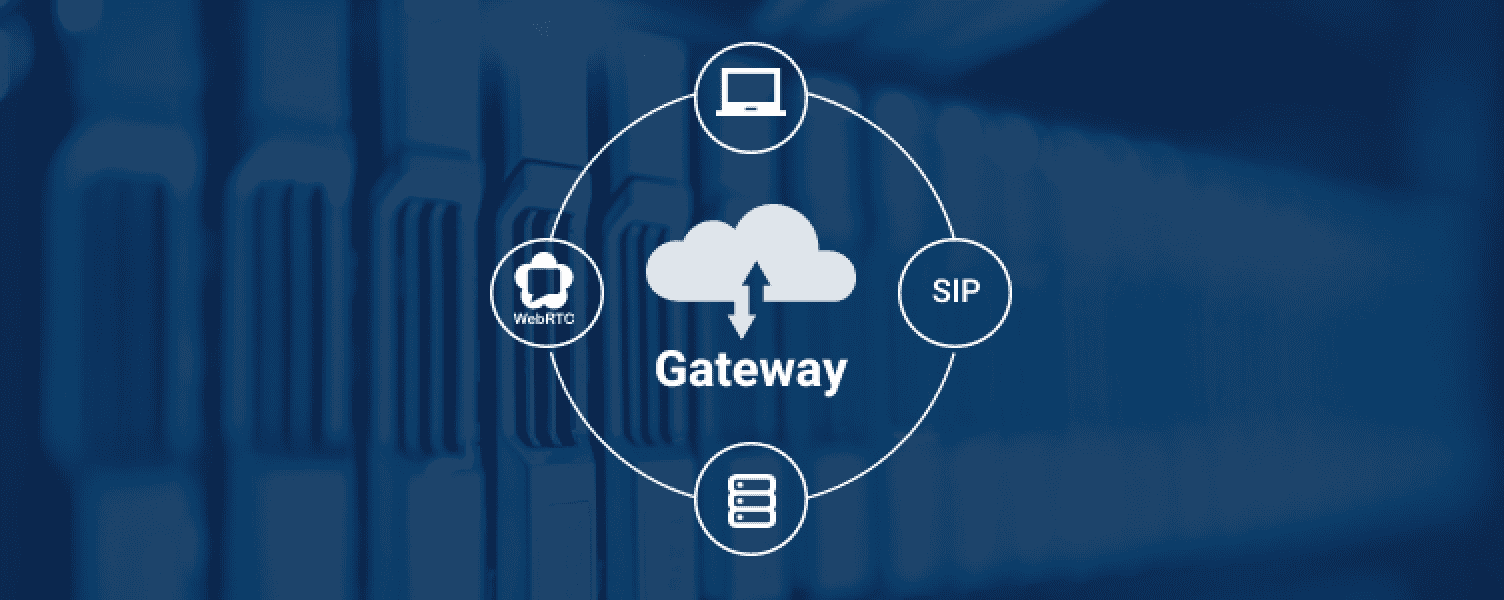
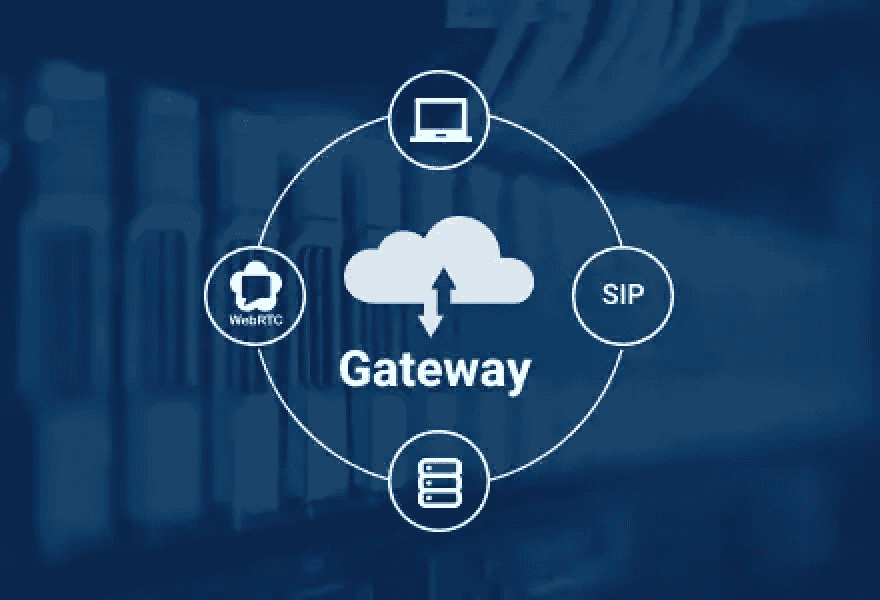
SIP-WebRTC Gateway Server
Set up a Meeting

A well-known player in UcaaS industry having SIP users all over the world wanted to provide advanced features to SIP and PSTN users such as joining WebRTC conference. The build solution for such problem a right set of skills were required to identify the gap between legacy and modern communication technologies, understanding of protocol disparities and interoperability of different solutions.
SpringCT with its skills in SIP, WebRTC devised a cloud based SIP-WebRTC gateway. This solution not only enhances organizational communication capabilities but also sets a benchmark for future advancements in unified communications
Product Features
The SIP-WebRTC Gateway Server bridges the communication gap between traditional telephony systems (SIP/PSTN) and modern WebRTC clients. Designed to facilitate seamless interaction, this server empowers PSTN users to join WebRTC-based conferences effortlessly. Key features include:
SIP and WebRTC Interoperability
Converts SIP-based signaling and media protocols into WebRTC-compatible formats and vice versa.
Dynamic SDP Negotiation
Extracts SDP offers from SIP INVITEs and forwards them to WebRTC clients. Processes SDP answers from WebRTC clients and sends them back via SIP signaling.
Comprehensive Call Handling
Handles call setups, media negotiations, and call terminations between SIP endpoints and WebRTC clients.
PSTN Dial-In and Dial-Out Support
Enables traditional PSTN users to join WebRTC conferences via SIP servers.
Standards Compliance
Implements RFC-compliant SIP protocols and WebRTC signaling methodologies.
Technologies Used
- JAIN SIP: A Java-based SIP stack that facilitated SIP signaling, registration, and message handling.
- WebRTC: A framework for real-time communication in browsers, enabling audio and video calls for WebRTC clients.
- Java: The primary programming language for the gateway server's implementation.
- SIP Server: Used for handling SIP and PSTN endpoints, registrations, signalling, VOIP calls etc.
- RTP Router & Security Protocols: RTP router for transcoding and load balancing, TLS for SIP signaling and DTLS-SRTP for WebRTC media streams.
Key Technical Achievements
Protocol Conversion Complexity
Mapping SIP protocols to WebRTC required careful handling of differences in signaling models and media negotiation, mitigating protocol differences like RTP vs SRTP, JSEP vs SDES etc, RTCP vs no RTCP
SDP Translation
Adapting SDP offers and answers to meet the unique requirements of both SIP and WebRTC systems.
Latency Minimization
Ensuring real-time communication with minimal delays during signaling and media transmission.
NAT Traversal
Addressing NAT traversal issues for WebRTC clients while maintaining compatibility with SIP servers.
Scalability
Supporting simultaneous connections from multiple SIP endpoints and WebRTC clients without degradation in performance.
Codec Differences
Handling codec differences between SIP and WebRTC without introducing latency and compromising quality.
Results
- Seamless Communication: PSTN users could dial into WebRTC conferences without perceiving any technical differences.
- Enhanced Interoperability: Enables organizations to integrate legacy telephony systems with modern WebRTC infrastructure.
- Scalability and Reliability: Supported high call volumes while maintaining quality and consistency.
- Cost-Effectiveness: Reduced the need for expensive hardware by leveraging software-based solutions.
Conclusion
- The SIP-WebRTC Gateway Server bridges the gap between legacy and modern communication technologies, fostering greater collaboration and accessibility.
- By addressing protocol disparities and ensuring seamless interoperability, this solution not only enhances organizational communication capabilities but also sets a benchmark for future advancements in unified communications.